

You may arrive wanting to know whether clear aligners can fix crowded or uneven teeth, but the first appointment involves more than viewing a smile simulation. By the end, you should understand what the clinician examines, which records are needed, whether your mouth is ready for tooth movement, and what alternatives or follow-up commitments the plan involves.
Key takeaways
- Bring your medication list and disclose restorations, gum symptoms, jaw pain, and pregnancy.
- Expect an examination, photographs, X-rays, scans, and a discussion of oral health.
- Treat active decay or gum disease before starting aligners.
- Confirm daily wear hours, review appointments, refinements, and retainers.
What happens when you arrive and speak with the clinician?
1. Registration comes first, followed by a medical history and dental history before aligners are discussed. Expect questions about previous orthodontic treatment, current medications, allergies, smoking, pregnancy where relevant, diabetes, gum bleeding, jaw pain or clicking, dental implants, and problems with fillings, crowns or other restorations.
Tell the clinician about these issues, even when they seem unrelated to tooth straightening.
2. During the first aligner consultation, the clinician asks what you want to change and whether your priority is front-tooth appearance, bite function, or both. Ask who will supervise orthodontic treatment and who will manage cavities, gum disease, broken restorations or emergencies during treatment.
This conversation identifies risks and sets a realistic scope for the examination.
3. For children and teenagers, expect questions about dental development and facial growth, including missing or unerupted permanent teeth, available space and the timing of treatment. Treatment may depend on whether growth or tooth eruption is still underway.
4. Bring a list of medications and allergies before aligners are discussed, along with relevant dental records and details of any previous orthodontic appliance. The clinician should know this information before planning the next examination or records.
What will the dental examination and diagnostic records include?
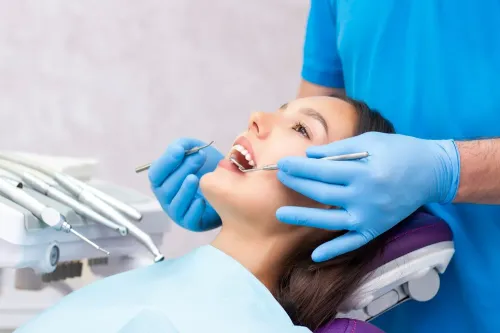
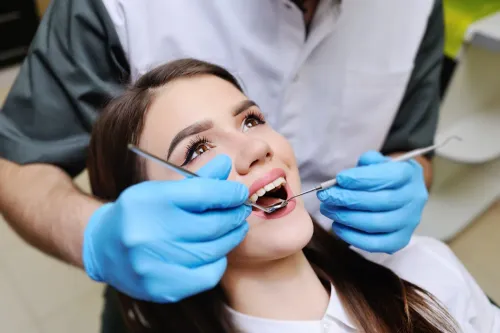
The clinician should examine more than whether your teeth look crooked. The check should cover:
- Teeth for decay, cracks, worn surfaces, fillings, crowns and other restorations.
- Gums for bleeding, swelling, pocketing and signs of periodontal disease.
- The bite for overbite, underbite, crossbite, open bite and uneven contacts.
- Jaw position, jaw-joint symptoms, oral tissues and the space available for tooth movement.
Diagnostic records commonly include facial photographs and intraoral photographs, along with a digital dental scan or physical impressions. These records capture tooth position, arch shape and how the upper and lower teeth meet.
A digital scan shows visible tooth surfaces and the bite relationship. It does not show whether roots are correctly positioned, whether bone support is adequate or whether teeth remain unerupted, so it cannot replace a full examination.
A panoramic X-ray for aligners may be selected to assess roots, bone levels, infection, missing teeth or impacted teeth. A cephalometric X-ray is used when the clinician needs to study jaw relationships, facial growth or tooth position relative to the jaws.
X-rays are chosen for a diagnostic reason, not taken automatically at every consultation. Ask what clinical question each proposed image will answer; that makes the purpose of the record clear and avoids treating imaging as a routine formality.
What must be treated before aligners, and are you a suitable candidate?
Active tooth decay, untreated gum disease, poor oral hygiene, dental infection, broken teeth and some impacted teeth must be addressed before orthodontic movement begins. Treatment may involve a filling, periodontal care, infection treatment, extraction or repair of a damaged restoration.
Moving teeth through inflamed gums or around infection can damage oral health and compromise the result.
After your mouth is stable, an aligner suitability assessment examines crowding and spacing, overbite, underbite, crossbite, open bite, tooth rotations, root-control needs and the movement available within supporting bone. The clinician also checks for a jaw discrepancy and whether growth is still occurring.
| Finding | What it means | Possible plan |
|---|---|---|
| Mild crowding and spacing | Teeth can move within available bone | Aligners, sometimes with limited enamel reduction between selected teeth |
| Complex rotations or severe root-control needs | Aligners may not grip or direct teeth adequately | Fixed braces versus aligners, attachments or specialist care |
| Substantial jaw discrepancy | Tooth movement alone cannot correct jaw-size differences | Elastics, fixed braces or orthodontic-surgery referral |
| Inadequate space or major vertical movement | The planned movement exceeds what aligners can predictably achieve | Extraction, fixed braces or a revised treatment plan |
Ask whether the proposal corrects both arches and the bite, or only straightens visible front teeth. A cosmetic plan can leave posterior contacts, roots or jaw relationships unchanged. Your suitability depends on stable teeth and gums, realistic movement limits and a plan that addresses function as well as appearance.
What does the digital treatment simulation tell you?
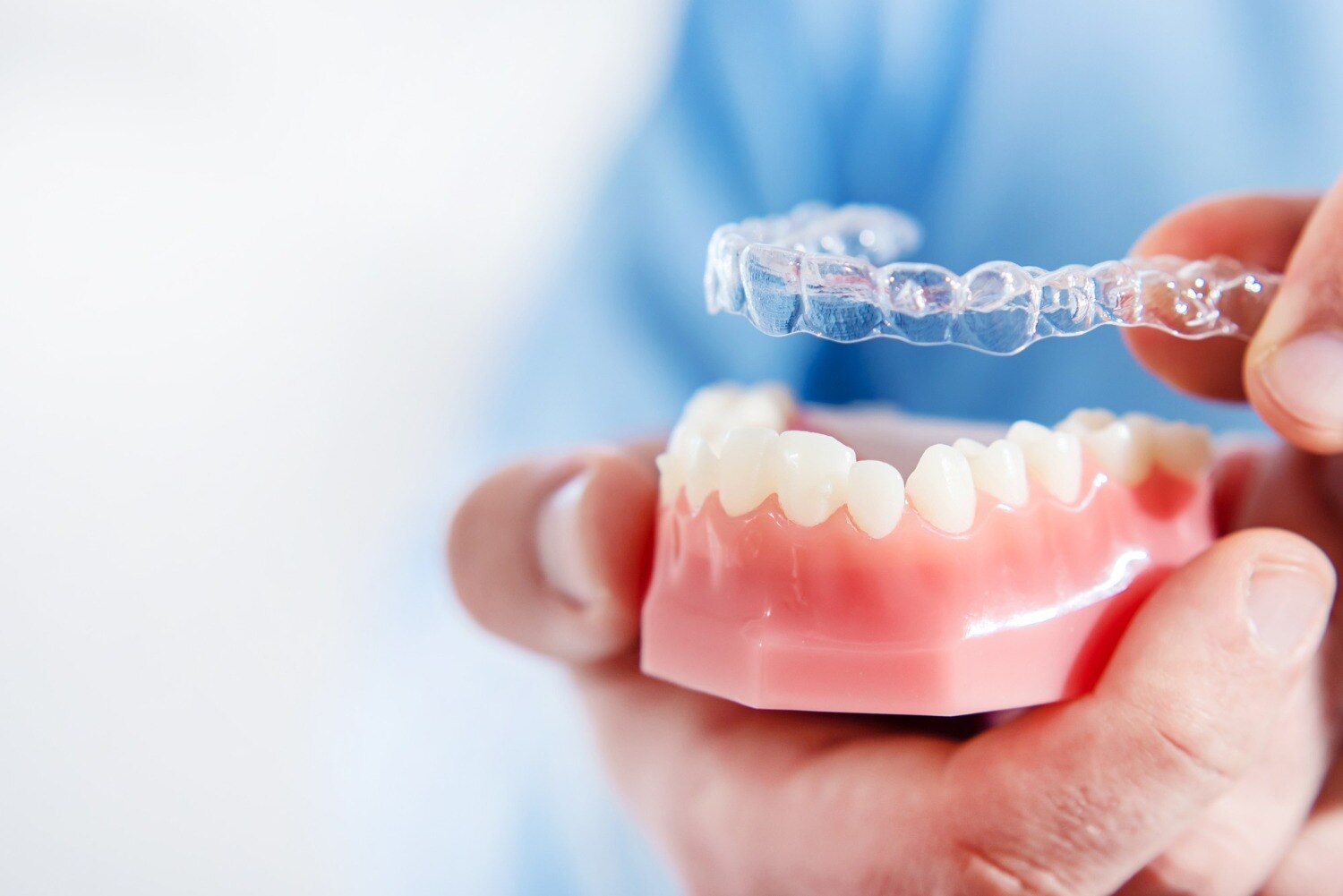
It tells you the proposed sequence of tooth movements, but it does not promise the final result or treatment duration. Use the digital aligner simulation to identify the teeth being moved and the type of correction planned.
Ask these questions while reviewing the preview:
- Will attachments be bonded to selected teeth? These small tooth-coloured or clear shapes help an aligner grip a tooth, making treatment more visible than promotional images suggest.
- Is interproximal reduction planned? It removes a controlled amount of enamel between selected teeth to create space; it is not uniform filing of every tooth.
- Does the plan include bite correction and both arches, or only cosmetic alignment of the front teeth?
- What happens if an aligner no longer fits? Ask whether the clinic provides a rescan and aligner refinements, and how progress is checked.
A front-teeth plan may be shorter, but it can leave posterior contacts, tooth roots or jaw relationships uncorrected.
| Plan type | What it shows | What it may leave unresolved |
|---|---|---|
| Front-teeth alignment | Straightening visible incisors and canines | Posterior contacts, roots, bite function or jaw relationships |
| Bite-inclusive treatment | Coordination of both arches and planned bite changes | Requires closer tracking and may involve more stages |
| Space-creation plan | Movement supported by interproximal reduction or attachments | Does not itself guarantee stable root position or complete correction |
Tooth shape, root position, bone support, eruption, growth, oral habits and missed wear time can change how teeth track. Treat the simulation as a planning aid, not a guarantee.
What should you confirm about wear, follow-up and retention?
Plan on 20 to 22 hours aligner wear each day. Remove aligners for meals, drinks other than water and brushing; missed time can stop an aligner from tracking, requiring extended wear, a rescan or a revised sequence.
Before accepting the projected smile, ask:
- How often will in-person reviews or remote aligner follow-up occur?
- Who replaces a lost aligner, and what should you wear while waiting?
- Who attaches, removes or repairs attachments and manages refinements?
- How will routine dental check-ups continue during orthodontic treatment?
- Who treats a cavity, gum bleeding or a broken crown while you wear aligners?
- Could fixed braces, extractions or specialist care become necessary?
- What is the complete retention plan, including the type, replacement process and expected duration?
At DENTessa Dental Clinic Pimple Saudagar,PCMC, take this checklist to the consultation: ask which clinician reviews your records, what treatment must be completed before scanning, and how follow-up and retention remain coordinated.
| Routine | Confirm before treatment | If unclear |
|---|---|---|
| Active aligners | Daily wear target and response to a poor fit | Tracking can fail and the sequence may change |
| Dental care | Clinician for cavities, gum problems and broken restorations | Orthodontic progress can be interrupted |
| Retention | Removable or fixed orthodontic retainers and long-term instructions | Teeth can shift after active movement |
| Review | In-person and remote check frequency | A problem may persist unnoticed |
Related service
Aligners Treatment Clinic in Pimple Saudagar Aligners Treatment Clinic in Pimple Saudagar,PCMC DENTessa Dental Clinic is the Best Aligners Treatment Clinic in Pimple Saudagar, Rahatani, Pimple Nilakh, Kalewadi and Pimpri Chinchwad. View service → |
Frequently asked questions
What happens when you arrive at an aligners treatment clinic?
You complete registration, provide your medical and dental history, and discuss previous orthodontic treatment, medications, allergies, smoking, pregnancy where relevant, diabetes, gum bleeding, jaw symptoms, implants, fillings, crowns, and other restorations.
What records are taken during an aligner consultation?
The clinician may examine your teeth and gums and take dental photographs, X-rays when indicated, and digital scans or impressions to plan treatment.
What must be treated before starting aligners?
Active tooth decay, gum disease, untreated infections, and damaged restorations need attention before aligner treatment. The clinician will also assess your cleaning routine, bone support, bite, and ability to wear aligners as prescribed.
What does a digital treatment simulation show?
It shows the proposed sequence of tooth movements, estimated treatment stages, and the expected final position. Ask which movements are predictable, what limitations exist, and whether refinements are included.
What should you confirm before beginning aligner treatment?
Confirm the required daily wear time, cleaning instructions, follow-up schedule, replacement process, refinement policy, and the retention plan after active tooth movement ends.