

Replacing a missing tooth involves more than placing a white crown in a gap. A clinic must examine the bone, gums, bite, general health and neighboring teeth, then match the treatment sequence and restoration to the number of teeth missing. By the end, you will know what each implant component does, how timing is decided, and which questions to ask before choosing an option.
Key takeaways
- An implant replaces the tooth root; an abutment and crown replace the visible tooth.
- Ask how bone volume, gum health and medical history affect your implant plan.
- Compare the full timeline, temporary tooth, maintenance and alternatives—not just the implant fee.
- Delay treatment until active decay, gum disease or uncontrolled health problems are addressed.
What an implant replaces and how suitability is assessed
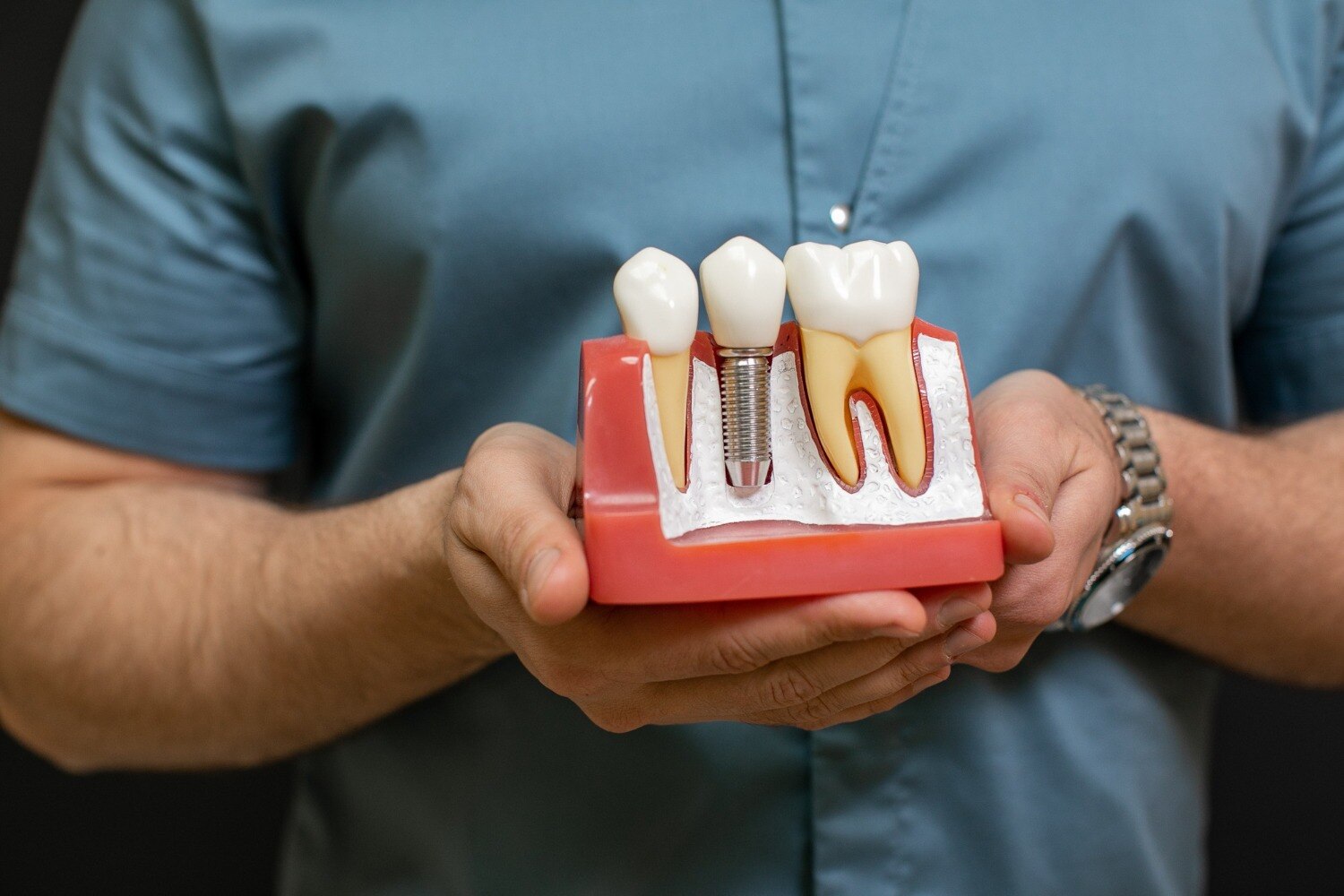
A dental implant is a system, not a complete replacement tooth. The dental implant fixture sits inside the jawbone and must bond functionally with surrounding bone before it can support chewing. The abutment and crown components sit above the gum and transfer force to the visible replacement.
- Dental implant fixture: A threaded post, usually made from titanium, placed in the jawbone. A ceramic implant is an alternative for selected patients.
- Abutment: The connector attached to the fixture after healing, providing a stable base for the restoration.
- Crown, bridge or denture: The visible tooth or teeth fixed to, or retained by, the implant system.
A clinic decides suitability by checking whether the tissues, bone and bite can support that system safely. Assessment commonly includes:
- Your medical history, including diabetes control, medicines, healing problems and smoking.
- Gum measurements and signs of periodontitis; active gum disease and untreated decay need treatment first.
- Dental X-rays and three-dimensional imaging to measure bone height, width and the position of nerves or sinuses.
- The bite, available restorative space and forces that could overload the implant.
- Neighbouring teeth, oral hygiene and your ability to clean around the future restoration.
- Jaw growth in children and adolescents; placement before growth ends can leave the implant in an unfavourable position.
If bone is too thin, the bite is unstable or daily cleaning is unreliable, the clinic may recommend treatment first or consider a bridge or removable replacement.
What happens from examination to the final tooth
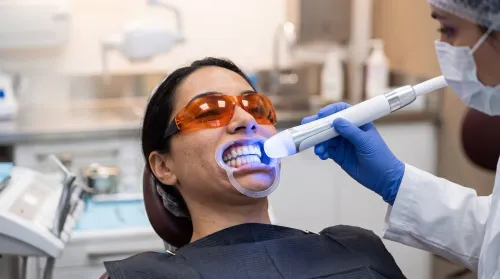
The dental implant treatment sequence begins with an examination, not surgery. The clinician reviews your medical history, examines your gums and bite, checks neighbouring teeth, and uses dental imaging to assess bone and restorative space. Treat active gum disease or untreated decay before proceeding.
1. The clinic confirms the plan with an examination and suitable images. A cone-beam CT scan can show three-dimensional bone volume, the mandibular nerve and the maxillary sinus when that information will change treatment planning.
2. If the tooth remains, the clinician extracts it and allows the socket to heal, unless immediate placement is appropriate. Immediate placement requires a clean socket, adequate bone and strong initial stability.
3. If the ridge is too narrow or short, bone grafting for implants adds a separate surgical stage and healing period. Not every patient needs it.
4. The clinician places the implant fixture into the jawbone. A temporary tooth may be fitted only when stability, bite forces and hygiene conditions make loading safe.
5. The implant heals while bone bonds functionally to its surface. Healing can take several weeks or months, depending on bone quality, grafting, implant stability and location.
6. After integration, the clinician connects the abutment and records the shape and colour needed for the restoration. A laboratory-made crown, bridge or denture is then attached and adjusted for comfortable chewing and a balanced bite.
Keep follow-up appointments during healing; an overloaded or poorly cleaned implant can lose support before the final tooth is fitted.
Choosing between an implant crown, bridge or denture
One missing tooth usually calls for a single-tooth implant crown; several adjacent gaps may suit an implant-supported bridge; an entire arch needs a denture or a fixed prosthesis planned around multiple implants.
| Option | What it replaces | When it applies |
|---|---|---|
| Single-tooth implant crown | One missing tooth, with its own implant, abutment and crown | One gap with suitable bone and healthy neighbouring teeth |
| Implant-supported bridge | Several missing teeth using implants as supports for connected crowns | Multiple adjacent gaps, reducing the number of implants needed |
| Implant-retained overdenture | A removable denture held more securely by implant attachments | Many or all missing teeth when removable cleaning, lower complexity or available anatomy matters |
| Full-arch dental implants | A fixed or removable full-arch prosthesis supported by a planned distribution of implants | An entire upper or lower arch when the design, bone and cleaning access support it |
A single-tooth implant crown avoids cutting down healthy neighbouring teeth for a conventional bridge, but it still involves surgery, healing and a higher treatment burden than a removable replacement. A bridge can shorten treatment by replacing several teeth with one connected restoration, although cleaning beneath and around it requires instruction and daily effort.
An implant-retained overdenture improves stability without making the teeth permanently fixed. A fixed full-arch prosthesis offers a different experience, but one implant cannot support a complete set of fixed teeth; multiple implants and space for cleaning are essential. Your bite, bone, gum health, budget and preferred maintenance routine determine which design is practical.
When an implant needs to wait or may be the wrong choice
An implant can be postponed when healing conditions are unsafe or the supporting tissues are inadequate. Active gum disease must be treated before surgery; untreated plaque and infection raise the risk of peri-implantitis and supporting-bone loss. The relationship between diabetes and implant healing makes glucose control and overall medical stability important.
Smoking and dental implants are also linked with poorer outcomes, so stopping before surgery and throughout healing is advisable.
Bone loss, a sinus close to the planned site, or an extraction socket with infection can change the timing. Immediate implant placement may work after extraction when the site is clean and the implant achieves strong stability. Delayed implant placement allows infection to settle or a bone graft to mature.
Loading can also wait weeks or months while the fixture bonds with bone.
| Situation | Why an implant may wait | Alternative or next step |
|---|---|---|
| Active periodontitis | Bacteria and inflammation threaten the implant and bone | Treat gums and reassess |
| Poorly controlled diabetes | Healing and infection risk are less predictable | Improve glycemic control before surgery |
| Heavy smoking or poor plaque control | Higher risk of failed integration and peri-implantitis | Stop smoking and establish maintenance |
| Insufficient bone or difficult anatomy | The fixture cannot gain reliable support | Grafting, a bridge, or a removable denture |
| Urgent replacement or unsuitable surgery | Healing time, cost, or medical risk may not fit your needs | Consider a conventional bridge or removable option |
An implant does not need caries treatment, but the surrounding tissues still need daily cleaning and professional reviews. If you cannot maintain that routine, another replacement may be safer.
How to compare an implant plan and protect it long term
A sound implant plan states what is included, what can fail, and how problems will be handled. Ask the clinic for the implant system and materials, the proposed crown, bridge or denture, imaging findings, treatment stages, total fees, healing timetable, and who manages complications.
| Claim | What it means | What to ask |
|---|---|---|
| Implant survival | The fixture remains in the bone | Does the figure include bone loss, pain or loose components? |
| Implant success | The fixture, tissues and restoration meet defined clinical targets | Which success standard and follow-up period produced the percentage? |
| Restoration coverage | The crown, bridge, screws, clips or denture are repairable or replaceable | What is covered if a component fractures or wears? |
Before treatment, ask these questions:
- Which dental implant risks apply to your smoking, diabetes control, gum history, bite and bone?
- What happens if the implant does not integrate or the planned restoration cannot be fitted?
- What recall schedule, cleaning method and professional implant maintenance are included?
- Which symptoms require an urgent review?
Daily brushing with a soft toothbrush, careful cleaning under bridgework or around an overdenture, and interdental brushes or water flossers where your clinician recommends them support peri-implantitis prevention. Do not use a tool that scratches implant surfaces.
At DENTessa Dental Clinic Pimple Saudagar,PCMC, use the consultation to request a written plan rather than comparing only the headline fee. Attend periodic reviews so the clinician can check bleeding, pocketing, bone levels, bite, restoration fit and component wear; the implant can survive while its crown or surrounding tissues deteriorate.
Related service
Dental Implant Clinic in Pimple Saudagar Dental Implant Clinic in Pimple Saudagar,PCMC DENTessa Dental Clinic is the Best Dental Implant Clinic in Pimple Saudagar, Rahatani, Pimple Nilakh, Kalewadi and Pimpri Chinchwad. View service → |
Frequently asked questions
What does a dental implant replace?
The implant fixture replaces the tooth root, while the abutment and crown support and form the visible replacement tooth.
What happens during dental implant treatment?
Treatment progresses from examination and planning to implant placement, bone integration, abutment fitting and final crown placement.
How do implants compare with bridges and dentures?
An implant replaces a root and supports a crown; a bridge uses neighbouring teeth, while a denture replaces several teeth with a removable appliance.
When should implant treatment wait?
Treat active decay or gum disease first, and delay placement when bone, healing capacity or an uncontrolled medical condition makes treatment unsafe.
How can you protect a dental implant long term?
Follow cleaning instructions, attend maintenance reviews and ask about the implant system, restoration materials, warranty terms and replacement planning.