

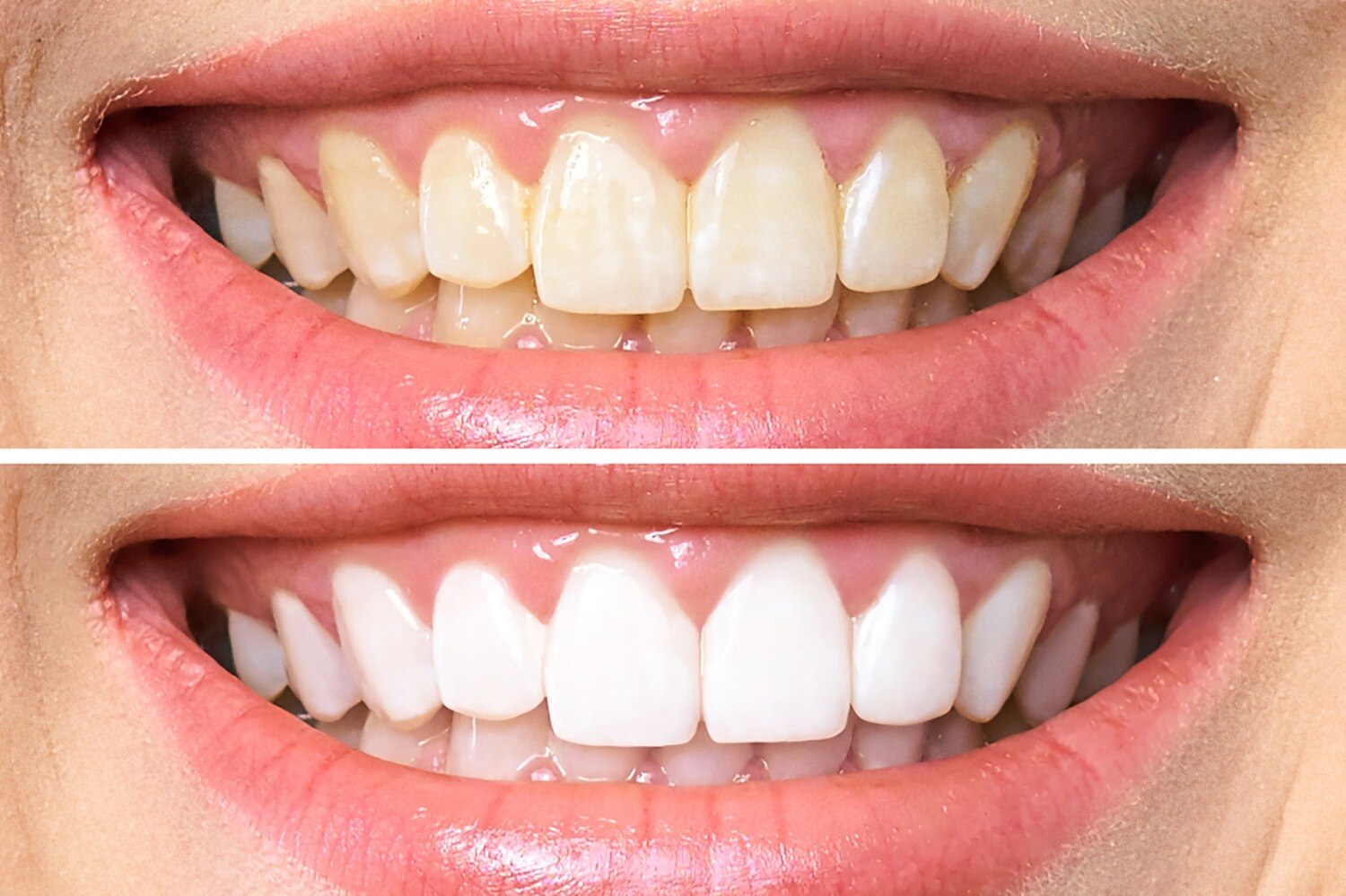
Coffee, tea, tobacco, ageing and changes inside a tooth can all produce a darker or uneven smile, but they do not respond to the same treatment. By identifying the type of discolouration, checking for dental problems and comparing whitening options, you can decide whether bleaching is suitable or whether another treatment should come first.
Key takeaways
- Surface stains often improve after cleaning; intrinsic stains need dental assessment.
- Treat decay, gum disease, cracks and sensitivity before whitening.
- Choose professional, home-tray or over-the-counter whitening based on time and supervision.
- Whitening does not change the colour of crowns, veneers or fillings.
What is causing the discolouration, and is it on the surface or inside the tooth?
The key question is whether the colour sits on the tooth surface or within enamel and dentine. Surface stains usually look like yellow, brown or dull patches that improve after brushing or professional cleaning. Intrinsic tooth discolouration remains because the colour has changed inside the tooth.
The main stained teeth causes include:
- Coffee and tea stains, red wine, tobacco and dark-coloured foods, which cling to enamel.
- Plaque and tartar, which create a rough, yellow-brown coating that bleaching cannot remove.
- Fluorosis, which causes white flecks, streaks or brown mottling during tooth development.
- Tetracycline exposure during tooth development, which can produce blue-grey or brown bands across several teeth.
- Ageing, as enamel becomes thinner and the naturally yellow dentine shows through.
- Trauma, decay or changes inside the pulp, which can darken one tooth.
Surface stains are more likely when discolouration follows the gumline, collects in grooves or developed after regular coffee, tea or tobacco use. Cleaning can remove the deposit, but it will not repair enamel or treat gum disease underneath it.
Colour that is grey, banded, patchy or limited to one tooth points more strongly to an internal cause. Tetracycline staining and fluorosis are harder to bleach than surface or age-related yellowing, and a traumatised tooth may need examination before whitening. A dentist must identify the cause first because bleaching cannot correct every colour change.
Which signs mean you need a dental examination before whitening?
A single dark tooth, sudden colour change, pain, or tooth sensitivity before whitening calls for a dental examination first. These signs can indicate decay, pulp injury, a crack, or infection rather than a simple surface stain.
| Finding | Why examination matters | What may happen next |
|---|---|---|
| Single dark, grey, or pink tooth | It may be a dead tooth after tooth trauma | Root-canal assessment and, in selected cases, internal bleaching |
| Pain or sharp sensitivity | Bleaching can intensify irritation from decay, exposed dentine, or a cracked tooth | Treat the cause before whitening |
| Visible hole, lost filling, or leaking crown | Peroxide can enter an unsealed area and cause pain | Restore or repair the tooth first |
| Bleeding, swollen, or tender gums | Active gum disease makes bleaching uncomfortable and unsuitable | Gum treatment and cleaning before cosmetic care |
| White or brown mottling | Fluorosis, hypomineralisation, or demineralisation may whiten unevenly | Consider remineralisation, microabrasion, resin infiltration, or monitoring |
Do not start cosmetic bleaching to mask untreated decay, active gum disease, cracked teeth, or significant root sensitivity. A dentist also needs to check tetracycline staining, trauma-related colour changes, and restorations that will not whiten.
Postpone elective whitening during pregnancy and breastfeeding. Cosmetic bleaching is not routinely recommended for children or teenagers under 18. Examination becomes particularly important when the colour change is new, limited to one tooth, or accompanied by pain, swelling, bad taste, or fever.
Which whitening method fits your teeth, budget and timeline?
In-clinic treatment suits a short deadline; dentist-prescribed take-home whitening trays suit gradual whitening and a controlled budget. Both use peroxide, but no light or laser has proved reliably better than peroxide alone.
| Option | Main ingredient or action | Best fit and limitation |
|---|---|---|
| In-clinic whitening | Higher-strength hydrogen peroxide | Fastest result; costs more and can increase sensitivity |
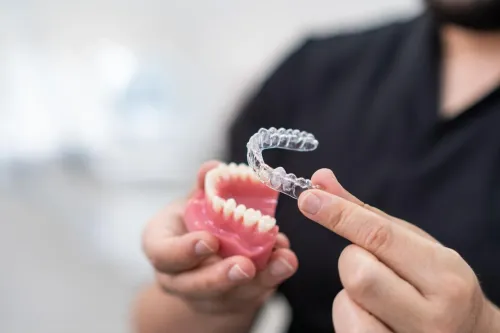
| Take-home whitening trays | Dentist-supplied carbamide peroxide or hydrogen peroxide | Custom fit, gradual control; takes days to weeks |
| Over-the-counter strips | Lower-strength peroxide | Lower cost; strips may miss edges or fit unevenly |
| Whitening toothpaste | Mild abrasives, sometimes low peroxide | Removes surface stain; does not change deeper tooth colour |
| Charcoal products | Abrasion or adsorption claims | Limited whitening evidence; abrasive use can wear enamel or irritate gums |
| Salon whitening | Product and concentration vary | Avoid treatment without a registered dental professional and dental examination |
The usual professional teeth whitening process starts with an examination and cleaning when plaque, calculus or surface stain is contributing. The dentist protects your gums, applies peroxide for timed intervals, removes the gel, and checks the shade and sensitivity.
For take-home whitening trays, you place the prescribed gel in fitted trays and wear them for the instructed duration; using extra gel will not whiten faster and can burn your gums.
Ask who supplies the product, its peroxide concentration, and what happens if you develop pain or sensitivity. A salon may lack the examination needed to identify decay, gum disease or leaking restorations.
What results, side effects and restoration problems should you expect?
Expect a lighter smile, not necessarily a perfectly uniform or permanent shade. Teeth whitening sensitivity usually starts during treatment or soon afterwards and settles when exposure stops. Stronger peroxide, longer contact, repeated applications, exposed dentine and exposed roots increase the risk.
Gum irritation or a chemical burn can occur when gel touches the gums, particularly with poorly fitting trays.
Whitening agents act on natural enamel and dentine only. They do not change the colour of these restorations:
- Fillings
- Crowns
- Veneers
- Bridges
- Implant crowns
Claims about whitening crowns and fillings are therefore misleading. Bleaching the natural teeth beside a restoration can create a colour mismatch, and replacing a visible filling, crown, veneer, bridge or implant crown may be the only way to achieve a closer match.
Uneven whitening is more likely when different teeth contain different stains. Tetracycline staining, fluorosis, trauma-related colour and a dead tooth can remain darker than age-related yellowing. Do not use bleaching to hide decay, cracks, leaking restorations or active gum disease.
Whitening also relapses. New enamel exposure and fresh coffee, tea, tobacco or food stains gradually restore colour, so maintenance involves periodic treatment according to your dentist’s instructions, not continuous bleaching. A dentist can explain the likely shade change before you spend money on treatment.
When is a teeth whitening clinic the right next step?
Book a consultation before bleaching if you cannot explain the colour change, or if you have pain, decay, gum bleeding, cracks, a lost filling, marked sensitivity or one newly darkened tooth. Whitening can worsen an untreated problem and will not remove tartar or repair a damaged tooth.
1. Ask the dentist to identify whether the stain is on the surface or within enamel or dentine. Professional cleaning may be the right first step for plaque, calculus, coffee or tobacco stains. Fluorosis treatment, trauma-related darkening and tetracycline staining need a different discussion; tetracycline staining can resist bleaching and leave residual colour.
2. Compare the alternatives for your goal. Dentist-supervised in-clinic whitening suits a faster change; custom take-home trays allow slower, controlled treatment. Whitening toothpaste targets surface stain, while over-the-counter strips vary in fit and peroxide strength. Avoid charcoal products and salon whitening when you cannot verify dental supervision, ingredients or protection for your gums.
3. Check your timing and age. Cosmetic bleaching is not routinely recommended under 18, and whitening is generally deferred during pregnancy and breastfeeding. Treat active decay or gum disease first.
4. Discuss existing fillings, crowns, veneers, bridges and implant crowns. Whitening changes natural teeth, not these restorations, so bleaching can create a mismatch.
DENTessa Dental Clinic Pimple Saudagar,PCMC can support a Pimpri-Chinchwad consultation by assessing the cause, checking teeth and gums, recommending cleaning or suitable whitening alternatives, and planning treatment around restorations and sensitivity.
Related services
Tooth Whitening Clinic in Pimple Saudagar Tooth Whitening Clinic in Pimple Saudagar, Pimple Gurav, PCMC DENTessa Dental Clinic is the Best Tooth Whitening Clinic in Pimple Saudagar, Rahatani, Pimple Nilakh, Kalewadi and Pimpri Chinchwad. View service → |
Scaling and Polishing Clinic in Pimple Saudagar Scaling and Polishing Clinic in Pimple Saudagar,PCMC DENTessa Dental Clinic is the Best Scaling and Polishing Clinic in Pimple Saudagar, Rahatani, Pimple Nilakh, Kalewadi and Pimpri Chinchwad. View service → |
Frequently asked questions
What causes stained or discoloured teeth?
Surface stains can come from coffee, tea, tobacco, coloured foods and plaque. Intrinsic discolouration develops within enamel or dentine from ageing, trauma, some medicines or excessive fluoride exposure.
When should you have a dental examination before whitening?
Arrange an examination if you have pain, untreated cavities, bleeding or swollen gums, cracked teeth, severe sensitivity, one darkened tooth or existing restorations.
Which teeth whitening method should you choose?
Professional in-clinic whitening suits a faster result. Dentist-provided home trays offer gradual whitening with supervision. Over-the-counter products cost less but provide less personalised control.
What happens to fillings, crowns and veneers during whitening?
Whitening lightens natural teeth but does not change the colour of fillings, crowns or veneers. Existing restorations may need replacement if their shade no longer matches.
When is a teeth whitening clinic the right next step?
Choose a clinic when you want an examination, a tailored treatment plan, help with sensitivity or faster whitening after dental problems have been ruled out.