

A polished reception area and a long service list cannot tell you whether a clinic provides safe, coordinated care. Before booking, verify the dentist’s registration, inspect the clinic’s processes, and compare how it handles diagnosis, communication, costs, emergencies, and different family members.
Key takeaways
- Check the dentist’s current Maharashtra State Dental Council registration.
- Ask how instruments are sterilised and which tests support each diagnosis.
- Request itemised estimates covering treatment, follow-ups, and emergency care.
- Confirm referral and safety pathways for implants, surgery, sedation, and orthodontics.
Verify the Dentist’s Credentials and the Clinic’s Scope of Care
Confirm the dentist’s registration in India before comparing equipment or prices. Search the Maharashtra State Dental Council register, match the dentist’s full name and registration number with the clinic’s records, and check that the registration is current.
The clinic’s profile should also state postgraduate dental training and years in practice clearly on records or profile pages.
Ask these questions before booking:
- Which dentist will examine and treat each family member?
- Which procedures are performed in-house: fillings, root canals, orthodontics, pediatric care, implants, oral surgery, and sedation?
- If a case exceeds the clinic’s scope, which credentialed specialist receives the referral?
- Who coordinates records, referrals, treatment sequencing, and follow-up?
- If laser dentistry is advertised, which exact procedure uses the laser, and what benefit does it add over conventional treatment?
- Can the clinic provide a written treatment plan naming the treating dentist, alternatives, estimated stages, and referral points?
A long service menu does not prove coordinated care. For example, an implant case may require imaging, extraction, bone assessment, surgery, restoration, and maintenance by different clinicians; ask who owns the case from diagnosis through review.
For children, look for a genuine pediatric pathway with preventive risk assessment, behavior-management planning, and age-appropriate follow-up—not just a colorful waiting room. Also ask who handles urgent complications after surgery, sedation, or treatment outside normal hours.
Ask Specific Questions About Sterilisation and Diagnosis
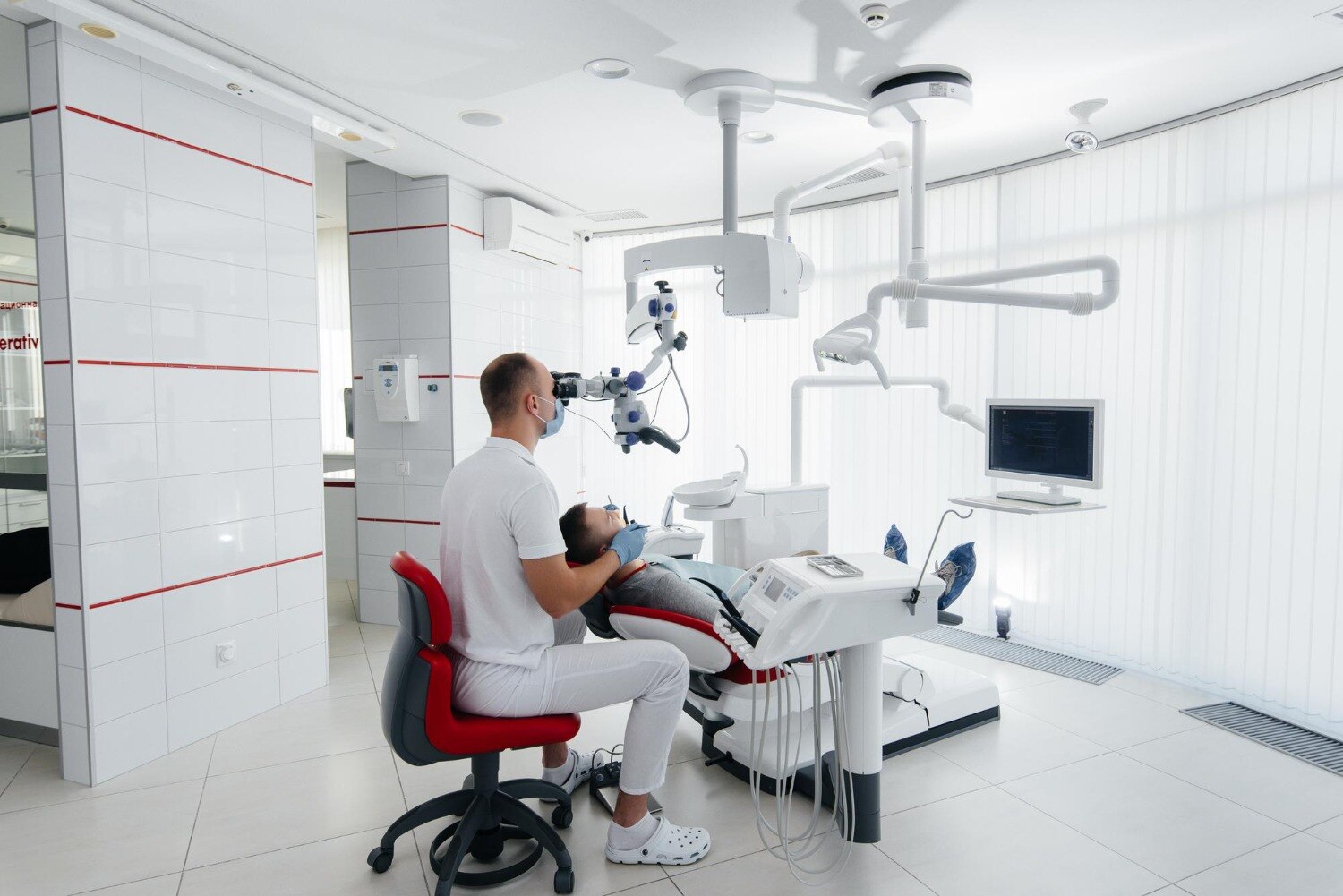
A clean reception area proves little; ask how instruments are processed between patients. The clinic should use autoclave sterilisation for critical heat-tolerant instruments, monitor sterilizers with biological indicators, and keep written instrument-processing policies.
Ask these questions before treatment:
- Are sealed sterile instrument packs opened chairside? How is handpiece sterilisation performed after every patient? Which dental items are single-use dental items, and how are they discarded?
- What safeguards prevent injection-related contamination, including a new needle and syringe for every patient and single-dose medication handling?
- Why do I need each X-ray, and can you obtain my previous images instead of repeating them? Radiographs should reflect your age, history, examination findings, and decay or gum-disease risk, not an identical schedule for every patient.
- Will you take intraoral photographs and record gum measurements, including pocket depths, bleeding, recession, and loose teeth? These findings show whether a recommendation is based on disease evidence rather than appearance alone.
- Can you show me the diagnosis, alternatives, expected benefits, risks, and evidence supporting the proposed treatment? For laser dentistry, ask which exact procedure the laser will perform and what added benefit it offers; “laser” is not a quality label.
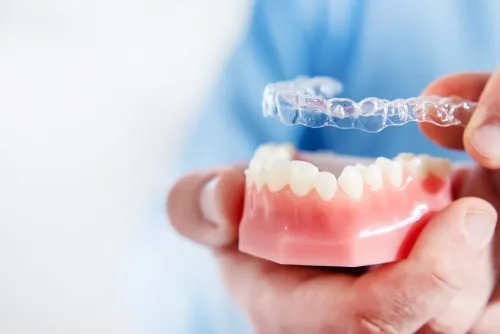
- If braces or aligners are proposed, does the plan address bite relationships, movement limits, retention, enamel or gum risks, refinements, and clinical supervision? An appliance brand does not establish a sound diagnosis.
Assess the Consultation for Children, Adults, and Older Patients
A useful first consultation should end with a clear, age-appropriate plan for every family member, not the same examination and sales pitch for everyone. The dentist should explain findings, urgency, alternatives, and what happens next in language you can repeat at home.
For a child, look for a child dental behaviour assessment and a child growth assessment. The visit should cover tooth eruption, decay risk, brushing, diet, fluoride, and anticipatory guidance. A clinic that supports a dental home by 12 months should explain its behaviour-management options instead of relying on a colourful waiting room.
For an adult, expect an adult gum-health screening alongside checks for decay, cracks, existing fillings, bite problems, and oral-cancer warning signs. Ask how gum findings affect treatment choices, particularly before crowns, implants, or orthodontics.
For an older patient, discuss dry mouth, medicines, dexterity, memory, diet, and the person’s ability to attend maintenance visits. The dentist should address older patient denture and implant needs, including fit, cleaning, bone and gum condition, repair, and long-term review.
Judge communication by what the dentist does, not how friendly the clinic feels. A strong consultation includes:
- Showing you the problem using photographs, X-rays, or a mirror
- Separating urgent treatment from optional improvements
- Explaining benefits, risks, alternatives, and consequences of waiting
- Inviting questions and checking that you understood the plan
- Recording concerns from each patient, including the child’s comfort and the older person’s priorities
Compare Written Estimates, Follow-Up Costs, and Emergency Plans
A low headline price is not the real cost. Request an itemised dental estimate from both clinics before treatment, and check whether it includes examination and imaging fees, laboratory charges, anaesthesia fees, the dentist’s treatment fee, follow-up visits, and likely maintenance or replacement.
| Compare | Clinic A | Clinic B | Why it matters |
|---|---|---|---|
| Initial assessment | Reveals whether examination and imaging fees are separate | ||
| Procedure and materials | Shows the dentist’s fee, materials, and laboratory charges | ||
| Sedation or pain control | Prevents unexpected anaesthesia fees | ||
| Adjustments, remakes, or retreatment | A low quote may exclude correction if treatment fails or does not fit | ||
| Follow-up and maintenance | Includes reviews, repairs, replacements, and future imaging | ||
| Referral costs | Identifies charges if another dentist or specialist takes over |
Ask each clinic these practical questions:
- Who do you call outside opening hours for severe pain, swelling, bleeding, a broken crown, or a knocked-out tooth?
- Will a dentist examine you directly, and where will you be sent if the clinic is closed?
- Is the emergency assessment included in the treatment fee, and what does an urgent visit cost?
- Who manages adjustments, remakes, or retreatment, and how quickly can you be seen?
- Will the clinic give you the treatment plan, estimate, receipts, and referral details in writing?
A clinic that answers clearly and documents exclusions is easier to rely on than one offering only a cheap starting figure.
Pressure-Test Pathways for Orthodontics, Implants, Surgery, and Sedation
A long service list proves little. Ask who actually performs each complex procedure, what postgraduate training they completed, and what happens when a case exceeds the clinic’s scope. A credible answer names the clinician, the facility, the referral trigger, and who remains responsible for coordination.
- For braces or aligners: “Where is my orthodontic diagnosis and retention plan, including bite analysis, movement limits, gum or enamel risks, refinements, and the person supervising treatment?”
- For implants: “Who assesses bone and gum health, provides implant maintenance and failure planning, and handles complications if the implant loosens or fails?”
- For difficult extractions or jaw procedures: “When do you arrange an oral surgery referral, and will you send the records and follow up afterward?”
- For sedation: “Who administers it, what level is planned, and what does your dental sedation monitoring include before, during, and after treatment?”
- For emergencies: “Do staff hold current basic life-support training, and where are the emergency drugs, oxygen, suction, monitoring equipment, and written process for calling emergency medical services?”
At DENTessa Dental Clinic Pimple Saudagar,PCMC, these questions help you distinguish a service displayed on a website from a pathway with named responsibility and follow-up. Ask to see how referrals, consent, treatment records, and recovery instructions are handled. “We have a specialist” is incomplete unless the clinic explains the specialist’s credentials and role.
Sedation deserves extra scrutiny: nitrous oxide, oral sedation, and general anaesthesia are different risk categories. Confirm presedation assessment, trained personnel, continuous monitoring, and a documented recovery process before booking.
Frequently asked questions
How can you verify a dentist’s credentials in Maharashtra?
Search the Maharashtra State Dental Council register, then match the dentist’s full name and registration number with the clinic’s records. Confirm that the registration is current.
What should you ask about dental clinic sterilisation and diagnosis?
Ask how instruments are cleaned, packaged, sterilised, and stored. Also ask which examination, X-ray, scan, or other test supports the proposed diagnosis and why it is needed.
What should a family dental consultation cover?
The consultation should address children’s preventive care and behaviour needs, adults’ treatment and maintenance, and older patients’ medications, medical conditions, mobility, and ability to maintain oral hygiene.
What should a written dental treatment estimate include?
Request itemised fees for the procedure, materials, laboratory work, medicines, follow-up visits, repairs, and likely additional treatment. Ask who to contact and where to go for an emergency.
What should you ask before orthodontics, implants, surgery, or sedation?
Ask who will plan and perform the treatment, what alternatives exist, which scans or medical checks are required, how complications are handled, and what follow-up and referral arrangements are in place.