

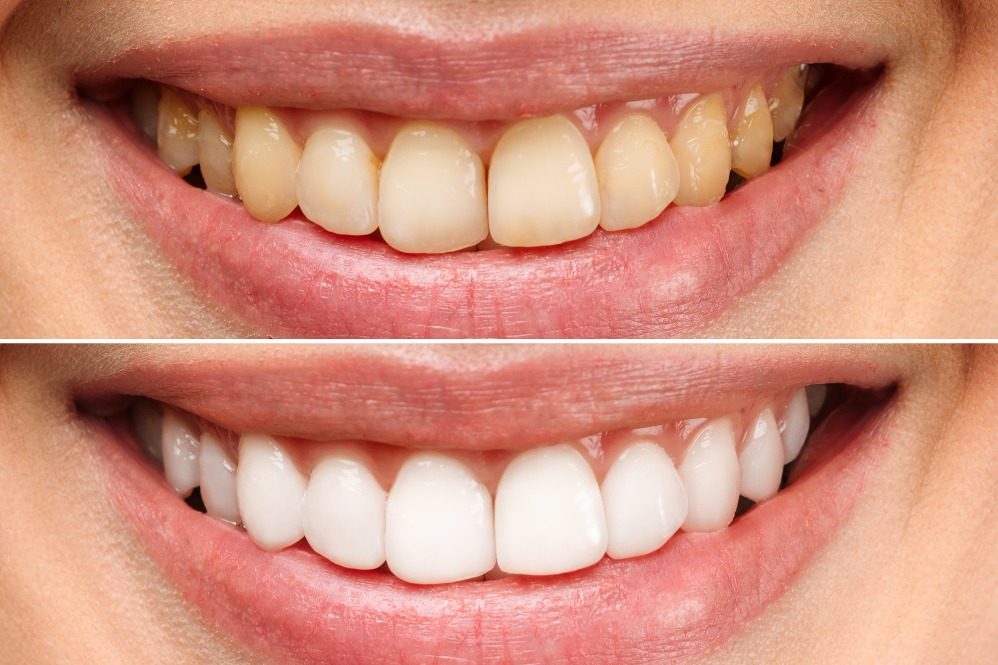
Professional teeth whitening is commonly considered by people who feel their smile has become dull due to tea, coffee, food pigments, tobacco exposure, ageing, or everyday staining. Yet choosing whitening treatment should involve more than asking how many shades lighter the teeth can become.
A consultation at a Teeth Whitening Clinic should establish whether the teeth and gums are healthy, what type of discoloration is present, and what result is realistically achievable.
Start With a Dental Examination
Whitening products interact with natural tooth structure, so oral health should be assessed beforehand.
The dentist may look for cavities, gum recession, enamel damage, sensitivity, cracks, gum inflammation, and existing restorations.
These findings can influence whether whitening is appropriate immediately or whether another dental concern should be managed first.
This step is especially relevant for people who have not had a dental examination recently.
Discuss Existing Crowns and Fillings
Natural teeth and dental restorations behave differently during whitening.
Crowns, veneers, bridges, and tooth-coloured fillings generally do not respond to whitening agents in the same manner as natural enamel. If these restorations are visible when smiling, changing the shade of surrounding teeth could affect colour matching.
Patients considering whitening before new cosmetic restorations should therefore discuss treatment sequencing with their dentist.
Set Realistic Expectations
Professional whitening can improve many forms of discoloration, but results vary.
The starting shade, type of staining, tooth structure, previous dental treatment, and individual response all influence the final appearance.
Whitening should aim for a cleaner and brighter appearance that suits the patient rather than an artificially uniform shade.
Some deeper forms of discoloration may respond differently and may require discussion of other cosmetic options.
Understand Sensitivity
Temporary tooth sensitivity can occur with whitening.
Patients who already experience sensitivity should mention it during their consultation. The dentist can consider this information while planning the whitening approach and provide appropriate guidance.
Following instructions carefully is important because using whitening products more frequently than recommended does not necessarily produce better results and can increase discomfort.
Maintain the Result Through Daily Care
Whitening does not permanently prevent future staining.
Patients can support the appearance of their teeth through consistent oral hygiene and sensible lifestyle habits.
Useful practices include brushing thoroughly, cleaning between teeth, reducing frequent exposure to heavily pigmented substances, rinsing after tea and coffee, and avoiding tobacco.
Professional dental cleaning may also be recommended periodically according to oral health needs.
Knowing When You Are Ready
People in Pimple Saudagar, Maharashtra, may consider professional whitening ahead of celebrations, photographs, weddings, interviews, and other occasions. DENTessa Dental Clinic can evaluate tooth colour alongside general oral health before discussing cosmetic whitening options.
Readiness for whitening is less about having visibly stained teeth and more about having an appropriate dental condition for treatment.
If the teeth and gums are healthy, expectations are realistic, and existing restorations have been considered, professional whitening can become a carefully planned cosmetic procedure rather than an impulsive attempt to change tooth colour.
A proper consultation gives patients the information needed to decide whether whitening is appropriate and how to maintain the result afterward.