

A whitening appointment should begin with a dental assessment, not with gel or a light. By understanding the examination, treatment choices, possible sensitivity and the limits of whitening on stains and restorations, you can decide whether professional treatment suits your teeth and what questions to ask before booking.
Key takeaways
- Expect a dental examination before whitening begins.
- Choose in-clinic or take-home whitening based on your schedule and goals.
- Whitening changes natural teeth, not fillings, crowns or veneers.
- Ask about sensitivity, treatment limits, aftercare and total appointments.
What happens before whitening begins?
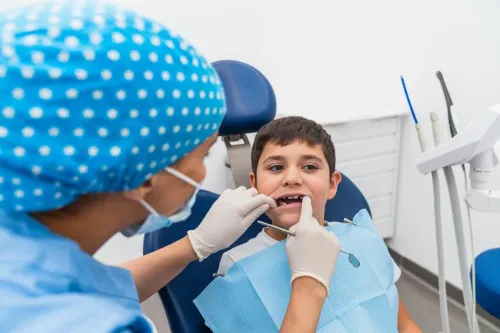
At the first whitening appointment, the dentist decides whether bleaching is safe before discussing how white you want your teeth to look. The assessment separates removable surface staining from problems that need treatment.
- A dental examination checks for untreated decay, leaking fillings, cracks, worn enamel and painful teeth. Whitening over these problems can trigger sharp sensitivity or allow peroxide to reach vulnerable areas.
- A gum check before whitening clinic treatment looks for bleeding, swelling, recession and gum disease. Inflamed gums can become more irritated when whitening gel touches them.
- A shade assessment records your starting tooth colour, often with photographs and a shade guide. This creates a realistic comparison because whitening cannot guarantee one particular final shade.
- The dentist reviews your dental history, sensitivity, allergies, pregnancy or breastfeeding status, and previous whitening. Elective whitening is commonly postponed during pregnancy and breastfeeding because safety evidence remains limited.
A professional cleaning can remove plaque and external stains, making teeth look brighter and revealing their true baseline colour. It does not bleach colour within the tooth, so the dentist may recommend cleaning before deciding whether whitening will produce worthwhile change.
Whitening is postponed until decay, gum disease, cracks or leaking restorations are managed. The dentist should also explain whether in-clinic peroxide or dentist-provided trays suit your sensitivity and schedule, and what to do if discomfort develops. Whitening is cosmetic care, not a substitute for diagnosis or treatment.
Which whitening method fits your teeth and schedule?
Your schedule usually determines the best trade-off: in-clinic whitening is fastest, while custom take-home whitening trays offer more control over timing and sensitivity.
| Option | How it differs | Best fit |
|---|---|---|
| In-clinic whitening | A dentist applies a higher-concentration hydrogen peroxide gel for a short appointment. Results appear quickly, but stronger peroxide can increase temporary sensitivity. | You want the quickest professional treatment. |
| Dentist-provided trays | Custom trays hold a lower-strength carbamide peroxide gel against your teeth for several days or weeks. You control when to wear them and can pause if sensitivity starts. | You prefer gradual whitening or need flexible timing. |
| Over-the-counter products | Strips, gels and toothpaste use different peroxide strengths, tray or strip designs and contact times. Poor fit, excess gel or inconsistent use can irritate gums and produce uneven coverage. | You want a lower-cost option and have healthy teeth and gums. |
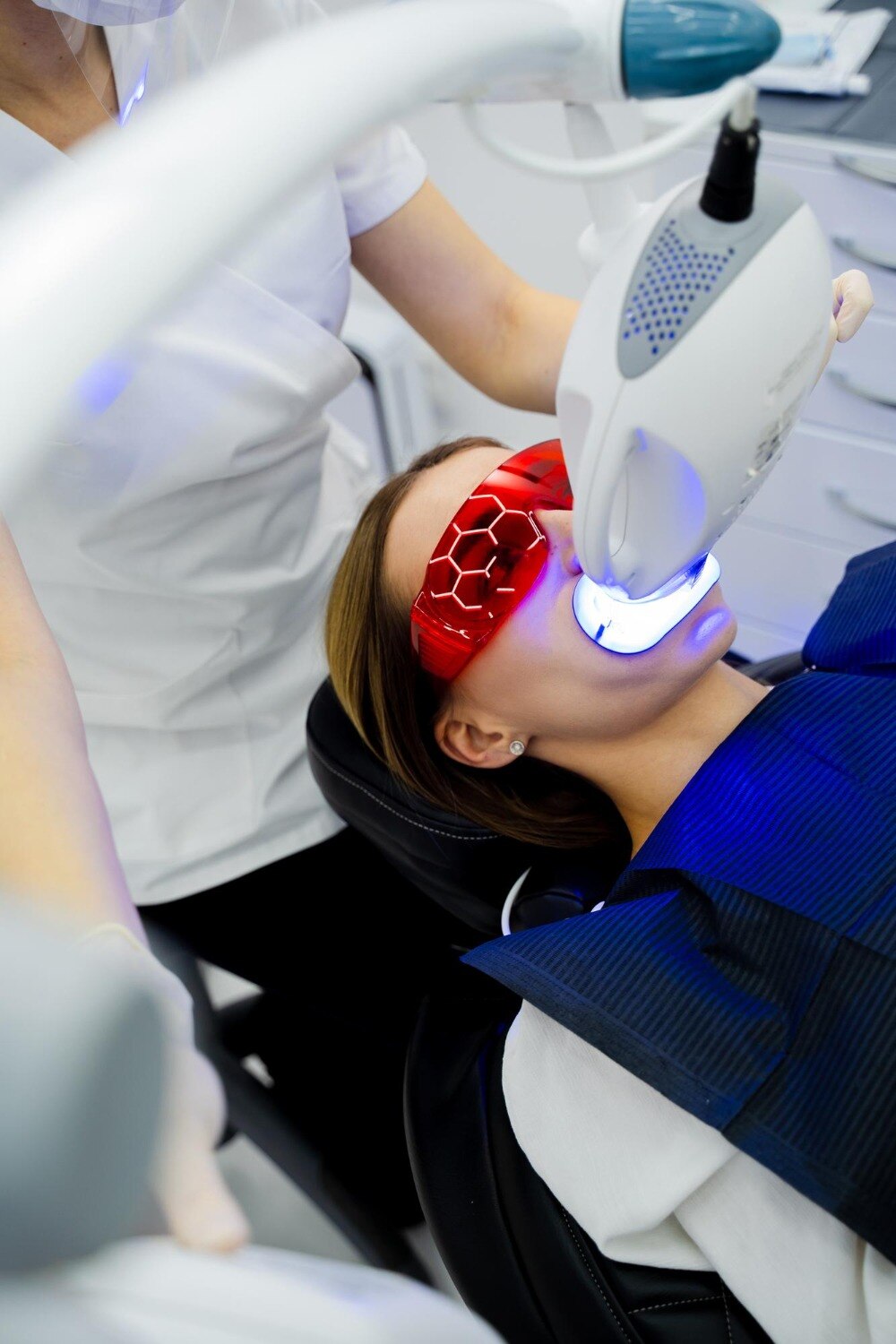
| Salon treatments | Staff may apply whitening products or offer LED light activation without providing a dental diagnosis. The light does not replace the peroxide that changes tooth color. | You understand that cosmetic convenience does not equal dental supervision. |
Ask exactly which agent is used, its concentration, the contact time and whether LED activation changes the protocol. Do not assume a salon or shop product follows the same rules as a dental treatment; peroxide limits differ by country.
Choose dentist-supervised treatment if you have sensitivity concerns, uneven tooth color or difficulty judging whether your teeth and gums are healthy enough for whitening. A dentist can adjust exposure time, gel quantity or treatment frequency instead of asking you to endure irritation.
What will the appointment feel like, and what happens afterward?
A whitening appointment duration is usually about 60 to 90 minutes for in-clinic treatment, including preparation and gel application. The dentist protects your gums and lips, applies peroxide gel to natural teeth, and may use LED whitening activation.
You remain awake; expect cheek retractors, a bright light and short waiting periods rather than a painful procedure.
One visit is enough when you want a modest shade change and your teeth respond evenly. If you want a larger change, the dentist may recommend another session or dentist-provided trays for gradual whitening.
The result can darken again with smoking, coffee, tea and aging, so supervised touch-ups are safer than repeating strong treatments on your own.
The clinic can reduce discomfort before, during or after treatment by:
- Shortening the gel’s contact time or using a lower-strength product if you develop tooth sensitivity after whitening.
- Applying a desensitizing product containing ingredients such as potassium nitrate or fluoride when sensitivity is expected.
- Covering exposed gum tissue carefully and removing stray gel quickly to prevent gum irritation.
Sensitivity usually settles within a few days. Contact the clinic if pain is severe, lasts beyond that period, or your gums develop persistent white patches, swelling or sores. Don't apply another whitening product until the irritation has resolved.
How will stains, fillings and crowns affect the result?
Whitening works best on stains sitting on or near the enamel surface because peroxide can break down the colored molecules. Yellow surface stains and coffee and tea stains often improve after professional cleaning and bleaching; cleaning removes plaque and external deposits, while whitening changes the shade of natural tooth structure.
A clean baseline helps the clinician judge your true tooth color.
Response depends on where the discoloration began:
- Yellow surface stains usually respond well once plaque, tartar and food pigments are removed.
- Coffee and tea stains often lighten with cleaning followed by whitening, although smoking can make the result harder to maintain.
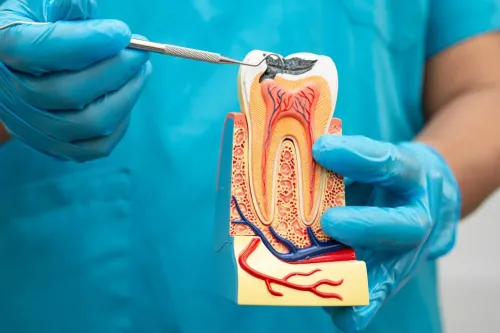
- Intrinsic tooth discoloration lies within the tooth and responds less predictably. Trauma, tetracycline exposure, fluorosis and aging can create color that bleaching cannot fully remove; veneers or another cosmetic treatment may be more suitable.
Whitening gels change natural teeth but do not change the color of crowns, veneers or fillings. If a restoration sits beside a whitening tooth, the tooth may become lighter while the restoration stays at its original shade, creating a visible mismatch.
The dentist may recommend replacing a front filling or other restoration after whitening, using the new tooth shade as the color target. Replacement is not automatic: a sound restoration can remain if the difference is minor or the tooth is not visible when you smile.
What should you ask before choosing a whitening clinic?
Ask the clinic to explain the risks, the exact treatment plan and the aftercare before you pay. A responsible provider will answer clearly rather than promise a fixed shade or claim that stronger gel is always better.
- “Will you check for decay, leaking fillings, gum disease and cracks before whitening?” Untreated problems should be addressed first.
- “What peroxide concentration will you use, and how long will it contact my teeth?” Higher strength and longer exposure raise sensitivity and gum-irritation risk.
- “Which conditions or medicines change the plan?” Disclose allergies, previous sensitivity, dental history and pregnancy or breastfeeding. Evidence for pregnancy and tooth whitening remains limited, so postponing elective treatment is commonly advised.
- “What happens if I become sensitive?” Ask whether the clinic can shorten exposure, space out sessions or provide a desensitising product.
- “What does whitening maintenance involve?” Get specific advice on touch-ups, stain-producing foods and drinks, and when repeat treatment is safe.
Compare the answers you receive against this checklist:
| Question | A useful answer includes | Warning sign |
|---|---|---|
| What result is realistic? | A shade assessment and limits for restorations | A guaranteed shade |
| Which product is used? | Hydrogen peroxide or carbamide peroxide, concentration and instructions | “Professional strength” without numbers |
| What follow-up is included? | A review point and advice if pain or gum burns persist | No plan after treatment |
Whether you visit DENTessa Dental Clinic Pimple Saudagar,PCMC or another provider, ask for these details in writing so you can compare treatment and follow-up rather than choosing on promises alone.
Related service
Tooth Whitening Clinic in Pimple Saudagar Tooth Whitening Clinic in Pimple Saudagar, Pimple Gurav, PCMC DENTessa Dental Clinic is the Best Tooth Whitening Clinic in Pimple Saudagar, Rahatani, Pimple Nilakh, Kalewadi and Pimpri Chinchwad. View service → |
Frequently asked questions
What happens before tooth whitening begins?
The dentist examines your teeth and gums, checks for decay or sensitivity, and identifies whether stains are removable surface deposits or require treatment first.
Which tooth whitening method fits your teeth and schedule?
In-clinic whitening suits patients seeking a supervised appointment, while dentist-prescribed take-home trays require more time but let you whiten gradually at home.
What will the whitening appointment feel like, and what happens afterward?
The dentist protects your gums, applies whitening gel and monitors the treatment. Temporary tooth sensitivity can occur, so follow the clinic’s aftercare instructions.
How do stains, fillings and crowns affect whitening results?
Whitening can improve some stains on natural teeth, but fillings, crowns and veneers do not change colour. Existing dental work may need replacement to match a lighter shade.
What should you ask before choosing a whitening clinic?
Ask who performs the treatment, which method and gel they use, how they assess your teeth, what sensitivity support they provide, and whether follow-up care is included.