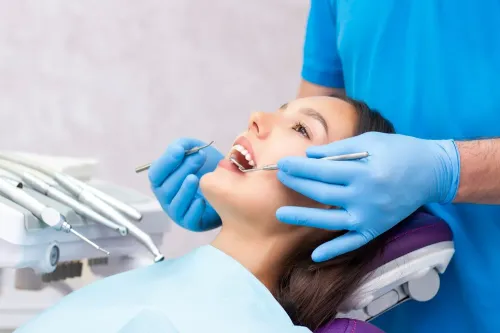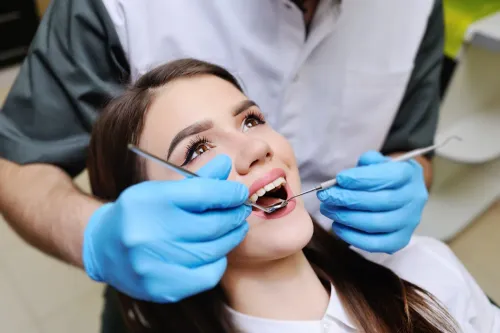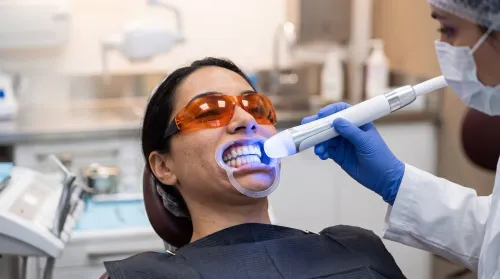


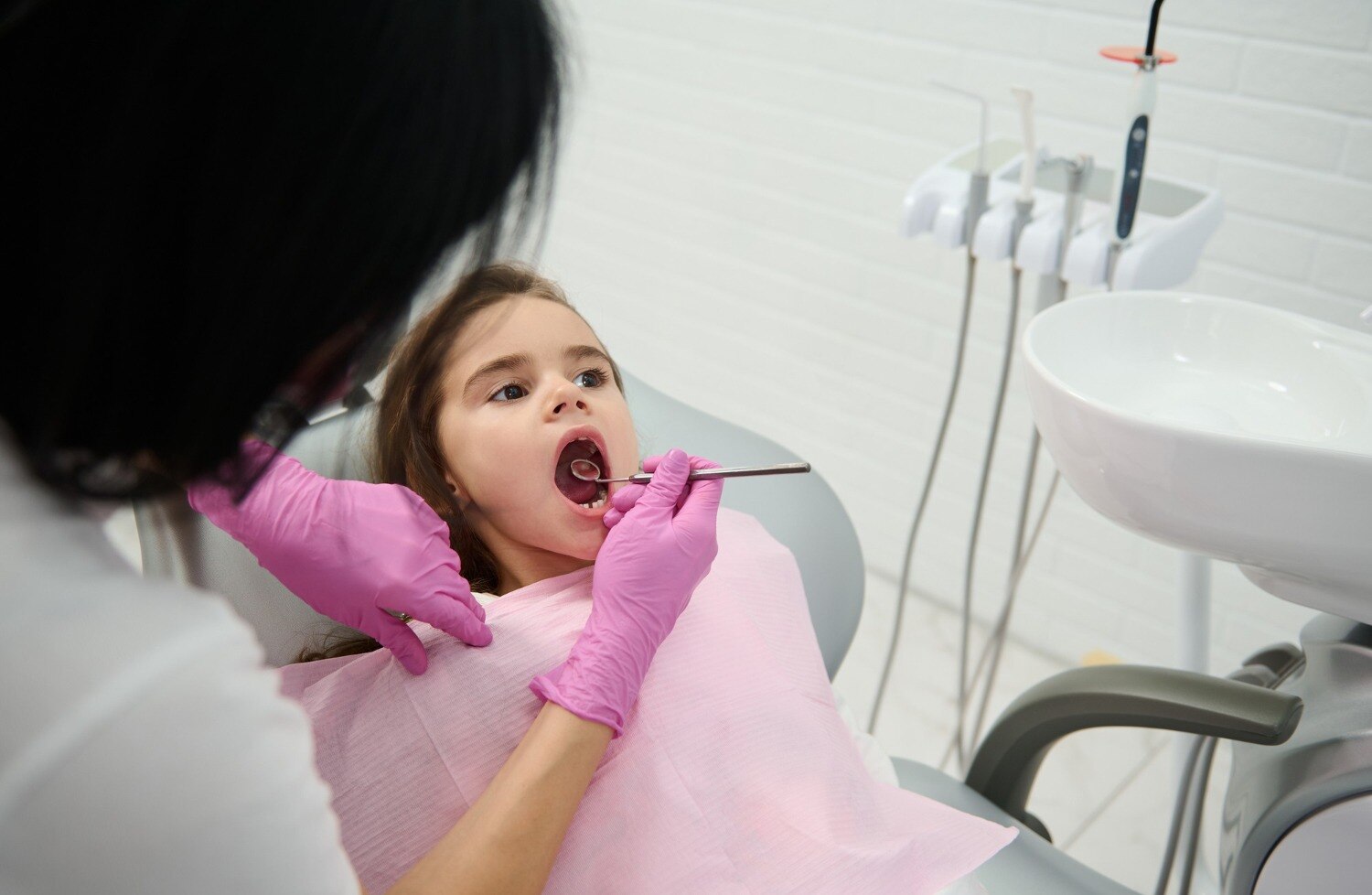
Schedule your child’s first dental visit by the first birthday or within six months of the first tooth appearing, then adjust follow-ups to the child’s risk and stage of tooth development. You will know which symptoms need same-day care, which problems can wait briefly, and what to do after an injury before reaching the clinic.
Key takeaways
- Book the first dental visit by age one or within six months of the first tooth.
- Schedule regular check-ups based on your child’s oral health risks.
- Arrange an earlier appointment for pain, swelling, injury, or visible tooth changes.
- Treat severe swelling, bleeding, or breathing problems as dental emergencies.
The First Visit Should Happen by Age One
Book the first dental visit by the first birthday. Your child should have a dental home by 12 months or within six months after the first tooth erupts, whichever comes first. Early care finds problems before pain and gives you a prevention plan.
The first pediatric dental examination and caries-risk assessment usually includes:
- An oral examination of the teeth, gums, bite, and developing mouth.
- Fluoride guidance, including whether fluoride varnish is appropriate.
- Feeding advice about bottles, cups, snacks, and drinks.
- Oral-hygiene counseling and brushing demonstrations.
- Injury-prevention guidance for falls, toys, and other dental trauma.
Start fluoride toothpaste when the first tooth appears. Use a rice-grain smear twice daily from the first tooth until age 3, then a pea-sized amount from ages 3 to 6. An adult must dispense the toothpaste, supervise brushing, and help clean every surface.
Nighttime bottles and frequent exposure to milk, formula, juice, sweetened drinks, or other fermentable carbohydrates feed decay-causing bacteria. Do not put a bottle in bed; once your child can use a cup, transition away from bottles, especially for overnight drinking.
Ask about fluoride varnish when decay risk is elevated, including with enamel defects, dry mouth, frequent sugary exposures, limited brushing ability, or special healthcare needs.
How Often Your Child Needs Check-Ups
Low-risk children often need a preventive examination every 6 to 12 months after the first risk assessment, but pediatric dental check-up frequency should follow findings rather than an automatic twice-yearly rule.
Children with previous cavities, frequent sugary snacks or drinks, enamel defects, dry mouth, sugar-containing medicines, limited brushing dexterity, or special healthcare needs may need reviews every 3 to 6 months, with fluoride varnish when caries risk is elevated.
- Infancy to age 3: Keep the dental home active after the first visit, checking brushing, feeding, fluoride use, and early enamel changes.
- Ages 3 to 6: Maintain the interval chosen after risk assessment; consider dental sealants for children with deep pits and fissures in primary molars when cleaning is difficult or risk is high.
- Around age 7: Arrange an age 7 orthodontic screening for crossbite, severe crowding, protruding incisors, ectopic eruption, or harmful oral habits. Screening does not automatically mean immediate orthodontic treatment; many children are monitored as more permanent teeth appear.
- During mixed dentition: Attend reviews as primary teeth loosen and permanent teeth erupt. These visits can identify crowding, delayed or abnormal eruption, and bite changes before they become harder to manage.
Sealants protect susceptible grooves, not every tooth surface. Your child still needs brushing with fluoride toothpaste, professional fluoride varnish when advised, and examination between teeth. Book earlier when the recommended interval feels too long for your child’s risk profile.
Symptoms That Should Trigger an Earlier Appointment
Do not wait for the next routine check-up if your child has a child toothache, sensitivity, pain while chewing, or difficulty chewing. Arrange an earlier appointment for:
- Bleeding gums or persistent bad breath
- Facial or gum swelling
- Fever with dental symptoms
- Chalky white marks, including white spots on baby teeth
- Brown or black areas, especially brown spots and tooth decay
- Pitting, a visible hole, or a broken tooth
Early white-spot lesions can sometimes be arrested or remineralized with professional guidance, fluoride, and improved cleaning. Wait for a visible cavity and the treatment may require a larger filling or pulp treatment.
Teething versus tooth infection is easier to judge by the accompanying signs.
| Teething sign | More consistent with teething | Needs dental examination |
|---|---|---|
| Localized gum tenderness | Yes | — |
| Erupting tooth visible | Yes | — |
| Fever, pus, or facial swelling | No | Yes |
| Persistent severe pain or marked bad breath | No | Yes |
| Cannot eat or sleep | No | Yes |
Baby teeth still need treatment. Untreated decay can cause pain, infection, poor eating, lost sleep, speech problems, and missed school, and it can affect the developing permanent tooth.
If a primary molar is removed too early, neighboring teeth can drift into the gap; a dentist may recommend a space maintainer to protect room for the permanent tooth.
When a Dental Problem Is an Emergency
Arrange same-day assessment for a child facial swelling and fever, swelling near the eye or neck, fever linked to a tooth, rapidly worsening pain, uncontrolled bleeding, dehydration, or drooling. Breathing or swallowing difficulty requires emergency medical care now, not a routine dental appointment.
A loose or knocked-out permanent tooth is also a dental emergency. Significant trauma needs examination even when the tooth looks intact because concussion, root fracture, intrusion, injury to the developing permanent successor, or later pulp necrosis can remain hidden.
After a fall or blow:
- Rinse the mouth gently.
- Apply clean gauze to control bleeding.
- Hold a knocked-out permanent tooth by the crown, never the root.
- Do not scrub the root.
- Replant it only when a trained adult can do so safely.
- If replantation is unsafe, transport it immediately in milk, saline, or tooth-preservation solution. Never let it dry.
A knocked-out baby tooth, also called a knocked-out primary tooth, must not be replanted because replantation can damage the developing permanent tooth.
A minor chip without pain, swelling, bleeding, or a bite change can often wait one or two days, but it still needs dental review. Darkening, new pain, swelling, or a gum boil after trauma also warrants reassessment rather than observation.
Choosing the Right Visit for Ongoing Risks and Treatment Needs
Persistent thumb sucking and pacifier use deserve assessment when they are frequent, forceful, prolonged, or continue after permanent incisors begin erupting. These thumb sucking and pacifier effects can alter the developing bite, but a pacifier-using toddler does not automatically need treatment.
Discuss an individualized schedule for child dental risk factors such as dry mouth, enamel defects, frequent sugary exposures, orthodontic concerns, special healthcare needs, or a history of cavities in the family’s child-care routine. Family history alone does not diagnose disease.
| Finding | Possible care | When it applies |
|---|---|---|
| Fluoride risk | Fluoride varnish or sealants | Elevated decay risk or deep molar grooves |
| Suitable decay | Filling | Decay has not reached the nerve |
| Deep decay | Pulp treatment | Decay reaches the nerve |
| Primary tooth removal | Assessment before extraction | To plan infection control and protect spacing |
Children unable to cooperate because of anxiety, developmental or medical conditions, or extensive treatment needs may require pediatric sedation and behavior guidance. Options include behavior guidance, nitrous oxide, sedation, or general anesthesia; selection depends on age, health, airway risk, procedure length, informed consent, monitoring, and provider training.
A multi-specialty practice such as DENTessa Dental Clinic Pimple Saudagar,PCMC can help families seek coordinated preventive, restorative, orthodontic, trauma, and special healthcare needs dentistry assessment, but confirm its pediatric services and emergency arrangements before booking.
Related service
Pediatric Dentistry Clinic in Pimple Saudagar Pediatric Dentistry Clinic in Pimple Saudagar,PCMC DENTessa Dental Clinic is the Best Pediatric Dentistry Clinic in Pimple Saudagar, Rahatani, Pimple Nilakh, Kalewadi and Pimpri Chinchwad. View service → |
Frequently asked questions
When should a child have their first dental visit?
Book the first visit by the first birthday or within six months after the first tooth erupts, whichever comes first.
How often should a child have dental check-ups?
The right interval depends on your child’s ongoing oral health risks and treatment needs. Ask the dental team to set a recall schedule.
Which symptoms mean my child needs an earlier dental appointment?
Pain, swelling, injury, or visible changes in a tooth should trigger an appointment sooner than the next routine check-up.
When is a child’s dental problem an emergency?
Seek urgent dental care for severe swelling, uncontrolled bleeding, a serious dental injury, or breathing problems.