

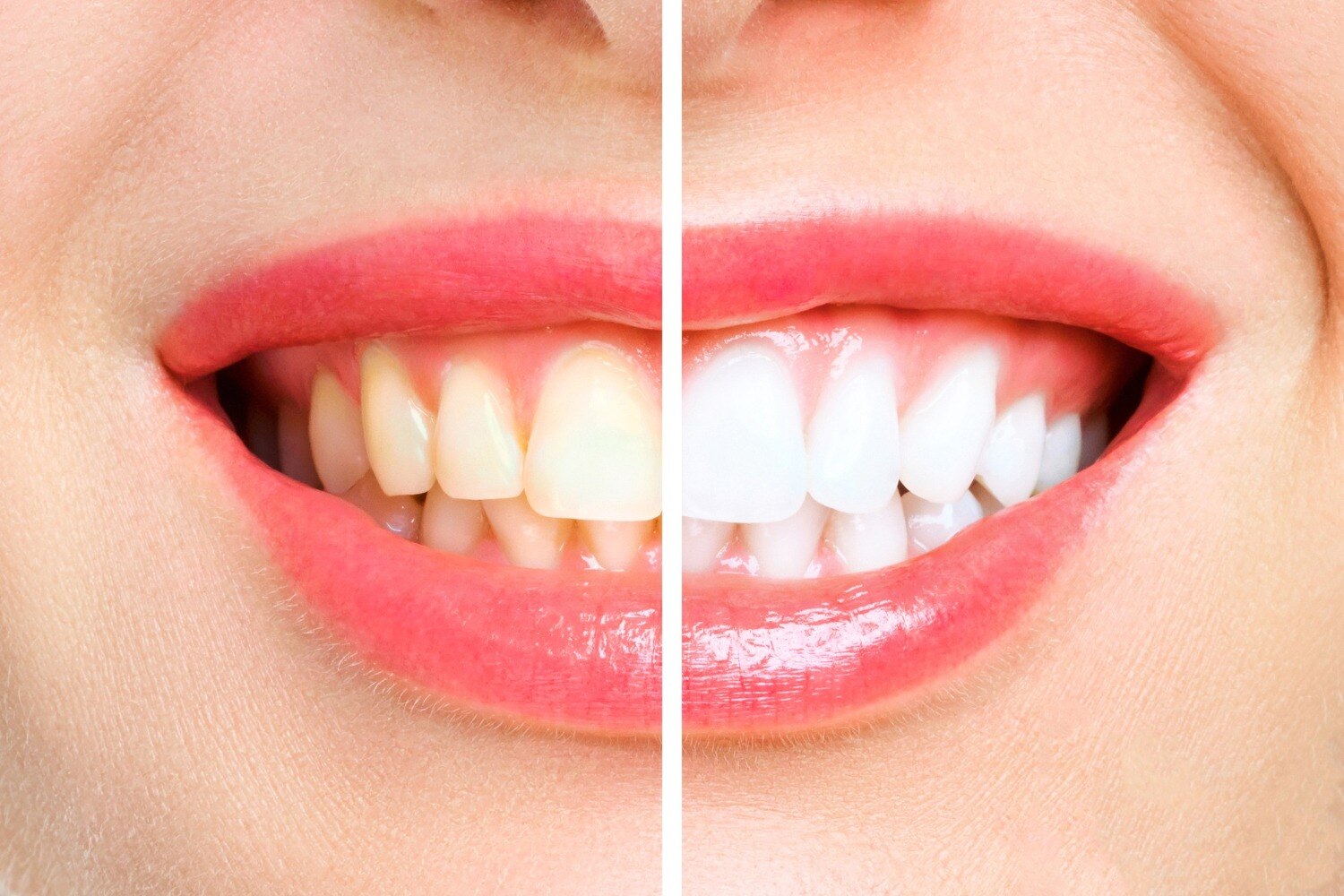
A whitening visit is more than applying peroxide to every tooth: the dentist first checks whether the discoloration is treatable, whether your teeth and gums can tolerate treatment, and whether existing dental work will create a colour mismatch. By the end of the appointment, you should know which stains can respond, which method fits your schedule, what discomfort to expect and how to protect the result afterward.
Key takeaways
- Confirm decay, cracks, gum disease and tartar are treated before whitening.
- Expect a dental examination before peroxide whitening begins.
- Choose treatment strength and timing based on tooth condition and sensitivity.
- Limit staining foods and follow aftercare advice to maintain the result.
Will whitening be suitable for your teeth and gums?
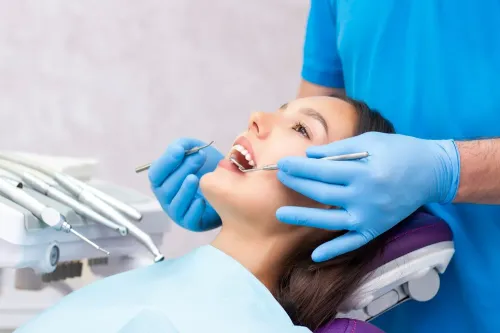
Whitening is suitable only when your teeth and gums are healthy enough to tolerate peroxide. A whitening consultation is not merely a colour-matching visit: the dentist checks for tooth decay before whitening, cracked teeth, leaking fillings, gum disease, exposed root surfaces and heavy tartar or plaque deposits.
- The dentist examines each tooth and your gums. Active decay, cracks, inflamed gums, exposed roots or defective restorations need treatment first, because peroxide can worsen pain or irritate vulnerable tissue.
- The dentist identifies the type of discoloration. Surface stains from tea, coffee, tobacco or plaque often respond well after professional cleaning. Intrinsic discoloration lies within enamel or dentine and may respond unevenly or need bonding, veneers or another restorative option.
- The dentist records your starting shade under consistent lighting and explains the likely limit. Natural teeth do not become permanently paper-white, and enamel thickness, dentine, age and the cause of staining affect the final colour.
Whitening changes natural tooth structure, not crowns, veneers, bridges, fillings or implant crowns. Those restorations stay their existing shade, so whitening can expose a mismatch; replacement is usually considered after your natural teeth reach a stable colour.
If you are planning visible crowns or veneers, whitening first can help the dentist choose a restoration shade that matches your intended result. Delaying treatment until disease and restoration work are addressed protects both your teeth and the appearance of the final smile.
What happens during the whitening appointment?
The dentist records your starting shade under consistent lighting before preparing your mouth and applying peroxide. This shade assessment provides a fair comparison and sets limits: natural teeth do not become permanently paper-white, and enamel, dentine, age, and the cause of discoloration affect the final result.
1. The dentist examines your teeth and gums for untreated decay, leaking fillings, cracks, gum inflammation, exposed roots, and heavy deposits. Active problems are treated before whitening.
2. Deposits and surface stains are cleaned when they interfere with treatment. The dentist also records visible crowns, veneers, bridges, fillings, and implant crowns because whitening changes natural teeth, not these restorations.
3. A cheek retractor exposes the teeth, while gum protection covers the gum line. Peroxide leaking onto unprotected tissue can sting or create a temporary white patch.
4. The whitening gel is placed on the front surfaces for timed periods, then removed and reapplied according to the product protocol. Filling trays or applying extra gel does not whiten faster; it increases leakage, swallowing, and sensitivity.
5. If offered, LED or laser whitening is used alongside peroxide. Ask what measurable benefit the device adds: light activation is not essential and does not consistently improve colour enough to justify extra cost, while certain devices and protocols can add heat or sensitivity.
Which whitening method and treatment schedule fit your situation?
A single in-office whitening visit prioritises speed; dentist-supervised take-home whitening trays prioritise control. The choice depends on your deadline, stain pattern, enamel sensitivity and willingness to follow a schedule. Neither option changes crowns, veneers, bridges, implants or tooth-coloured fillings, so ask how visible restorations will match afterward.
| Option | Speed and schedule | Peroxide and effort | Sensitivity trade-off |
|---|---|---|---|
| In-office whitening | Noticeable change in one appointment; the dentist controls application time | Higher-concentration hydrogen peroxide; little home effort | Stronger exposure can cause more short-term sensitivity |
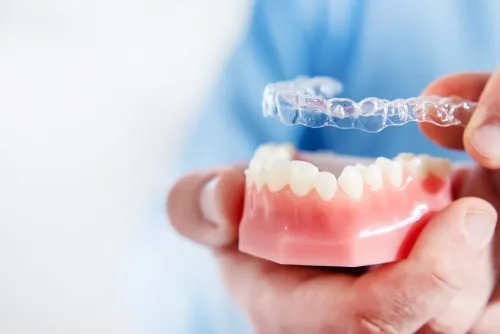
| Take-home whitening trays | Gradual change over several days or weeks; wear them for the prescribed time | Lower-concentration carbamide peroxide or hydrogen peroxide; requires consistent wear | Longer exposure can still trigger sensitivity, especially if you over-wear trays |
A light, laser or LED is not automatically necessary. Ask whether activation has evidence for a meaningful extra colour change, what it adds to the fee, and how the clinic controls heat or sensitivity. A light cannot whiten a filling or crown.
At DENTessa Dental Clinic Pimple Saudagar,PCMC, ask for a written schedule stating gel strength, wear time, top-up interval and what to do if sensitivity starts. Also ask whether fluoride or potassium nitrate is recommended, and whether restorations will need replacement later for an even shade.
Stop unsupervised repeat courses; they can irritate gums and increase sensitivity.
Related service
Tooth Whitening Clinic in Pimple Saudagar Tooth Whitening Clinic in Pimple Saudagar, Pimple Gurav, PCMC DENTessa Dental Clinic is the Best Tooth Whitening Clinic in Pimple Saudagar, Rahatani, Pimple Nilakh, Kalewadi and Pimpri Chinchwad. View service → |
What will sensitivity or gum irritation feel like?
Cold sensitivity after peroxide whitening feels like a brief, sharp jolt when you drink something cold or breathe in; it usually fades after treatment ends. Peroxide can move through enamel and dentine, temporarily triggering the nerves, so stronger gel, longer contact and repeated courses raise the risk of whitening sensitivity.
Gum irritation feels different: excess gel leaking from an overfilled or poorly fitting tray can cause stinging, burning, soreness or white patches where the gum was exposed. That blanching is a chemical irritation, not proof the whitening is working better.
Rinse off the gel and contact the dentist if pain continues or the tissue develops a sore.
To make treatment more tolerable, the dentist can:
- reduce the peroxide concentration, shorten tray wear time or space treatments farther apart;
- adjust or remake the tray and show you the exact small amount of gel to place;
- apply or recommend fluoride or potassium nitrate before or after treatment;
- pause treatment and check decay, cracks, recession or exposed dentine if discomfort is unusually strong.
Do not fill the tray to the edges: extra gel does not whiten faster, but it increases gum leakage and the chance of swallowing it. Follow the clinic’s instructions, and report severe or persistent pain rather than starting another unsupervised course.
What should you do after whitening, and how long will the result last?
The first 24 to 48 hours are the easiest time to protect your shade because teeth can pick up new surface stains quickly. Choose water, milk, plain yogurt, rice, pasta, eggs, chicken and other lightly coloured foods; rinse with water after eating.
- Avoid coffee, tea, red wine, cola, curry, tomato-based sauces, berries and strongly coloured sweets.
- Avoid smoking and tobacco, which can darken teeth and shorten the visible result.
- Do not use another whitening product unless your dentist recommends it.
- Brush gently with a soft-bristled toothbrush and fluoride toothpaste. If your teeth feel sensitive, use a sensitivity toothpaste and avoid forceful scrubbing.
- Rinse after acidic drinks or foods, but wait about 30 minutes before brushing after an acidic meal.
This aftercare after teeth whitening protects against early staining, but whitening is not permanent. Many people see a noticeable result for six months to two years; coffee, tea, smoking and tobacco, poor brushing and frequent coloured foods can shorten that period.
Whitening maintenance may involve occasional dentist-directed top-up treatment, not repeated unsupervised courses that raise the risk of sensitivity and gum irritation.
Only natural tooth structure lightens. Crowns and veneers, bridges, fillings and implant crowns keep their original colour, so whitening can reveal a mismatch. Ask about replacing visible restorations only after your natural teeth reach a stable shade; otherwise, a patchy result may need bonding or another restorative option rather than more bleaching.
Frequently asked questions
Will whitening be suitable for your teeth and gums?
The dentist checks for decay, cracked teeth, leaking fillings, gum disease, exposed roots, plaque and tartar before whitening.
What happens during a tooth whitening appointment?
The appointment includes a dental assessment and planning for a whitening method that your teeth and gums can tolerate.
Which whitening method and treatment schedule fit your situation?
Your dentist selects the method and schedule after assessing tooth condition, gum health and sensitivity risk.
What will sensitivity or gum irritation feel like?
Sensitivity can feel like brief discomfort from cold or touch, while gum irritation affects the tissue where whitening product contacts it.
What should you do after whitening, and how long will the result last?
Follow the clinic’s aftercare instructions, reduce exposure to staining foods and drinks, and ask how maintenance affects the result’s duration.